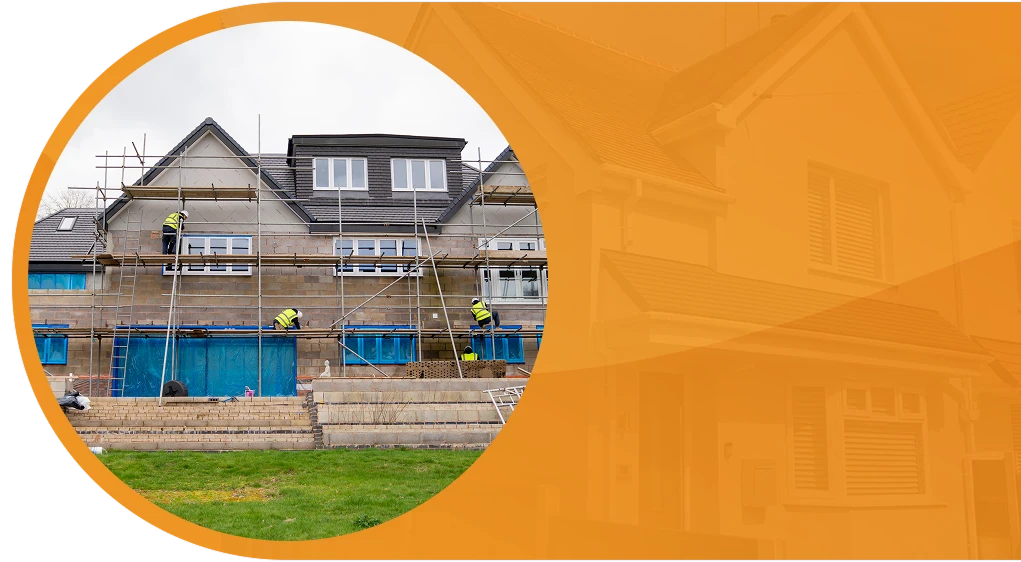
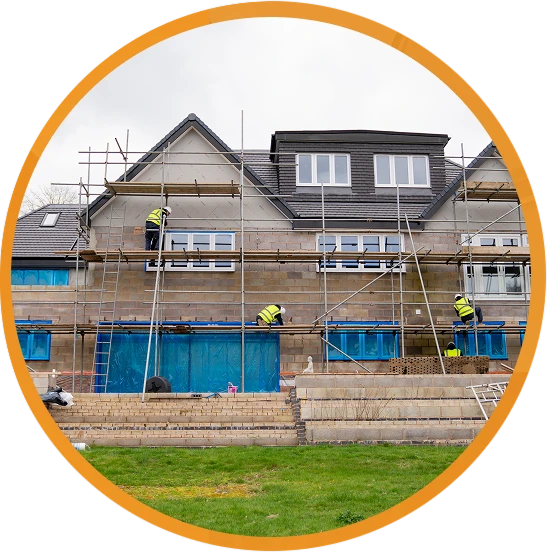
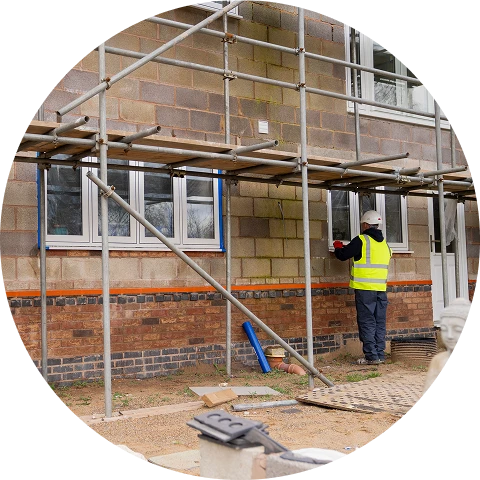
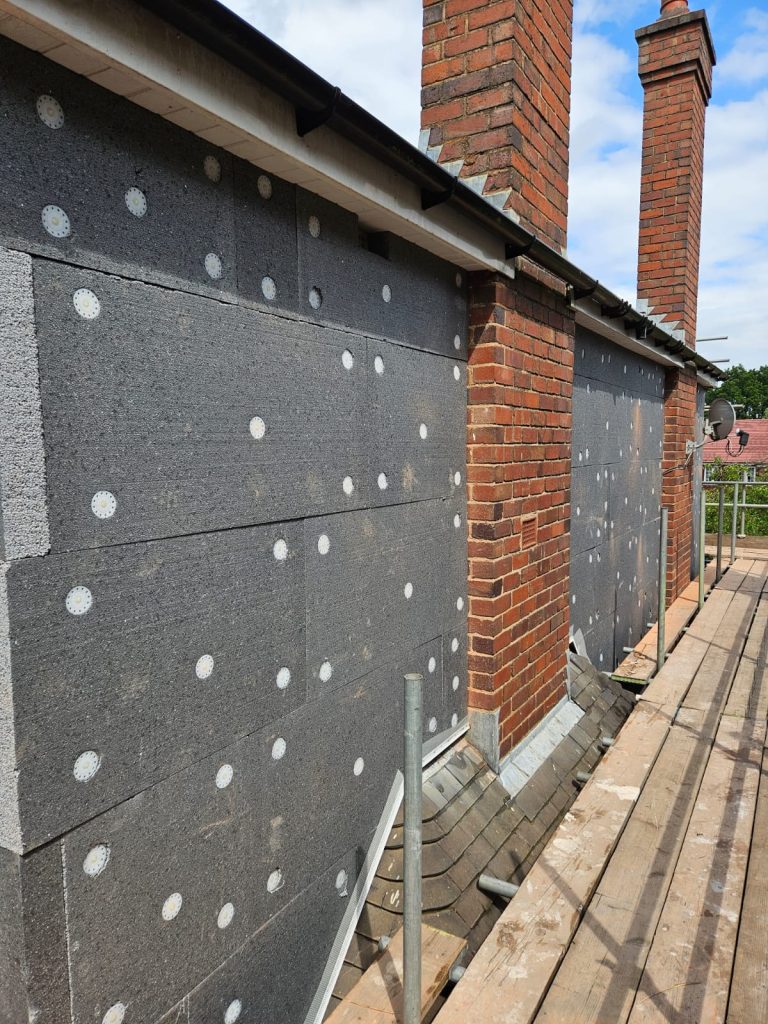
BY INSTALLING AN EXTERNAL WALL INSULATION SYSTEM, HEATING COSTS CAN BE REDUCED BY UP TO 40%
Looking for effective ways to reduce your energy bills? External solid wall insulation could be the solution you need. In some cases, government funding is also available.
Contact Vaca Services in Birmingham today for free, no-obligation advice, available across the whole region. We provide external and internal wall insulation, loft insulation and rendering services for Birmingham, Solihull, Wolverhampton, Bromsgrove and across the West Midlands.
Properties built before 1930 were usually constructed with solid walls. As heat loss occurs through these walls, it can be difficult to keep homes warm during the winter months.
External solid wall insulation can help reduce heat loss, making your home warm and comfortable. Getting your exterior walls insulated is also an effective way to save money on your heating bills without reducing your living space.
We aim to be completely transparent with our customers, from the first phone call to handing over the job. We continually keep them in the loop at all stages of the project, and always point out any issues that might occur.
Workmanship
We pride ourselves on our outstanding workmanship. We treat every property as if it were our own home and deliver the best finish possible with careful attention to detail.
Punctual
We take our commitments seriously. Our team will turn up punctually at the time scheduled, and we always stick to our word. The work will be completed as agreed at the survey.
Trained Team
We have experienced and skilled installers and applicators, with varying time served in the rendering and insulation industry. Additionally, we are NVQ L3 trained and approved contractors for various system suppliers.
We aim to be completely transparent with our customers, from the first phone call to handing over the job. We continually keep them in the loop at all stages of the project, and always point out any issues that might occur.
Workmanship
We pride ourselves on our outstanding workmanship. We treat every property as if it were our own home and deliver the best finish possible with careful attention to detail.
Punctual
We take our commitments seriously. Our team will turn up punctually at the time scheduled, and we always stick to our word. The work will be completed as agreed at the survey.
Trained Team
We have experienced and skilled installers and applicators, with varying time served in the rendering and insulation industry. Additionally, we are NVQ L3 trained and approved contractors for various system suppliers.
Churchill House Building 66,Third Avenue, Pensnett Trading Estate, Kingswinford DY6 7XZ
solihull, wall, heat, roof, external wall insulation, thermal insulation, energy conservation, west midlands, heat transfer, cavity wall, west bromwich, dudley, plasterwork, sutton coldfield, midlands, home improvement, planning permission, silicon, heating, request a quote, efficiency, construction, mineral wool, walsall, coating, the green deal, thermal efficiency, coventry, air source heat pump, plaster, property, wednesbury, energy company obligation, mineral, floor, renovation, wool, halesowen, conservation area, moisture, heat pump, rowley regis, foam, waterproofing, storage heater, pride, carbon, energy, noise, customer satisfaction, boiler, spray foam, building insulation, crawl space, attic, fiberglass, accessibility, soundproofing, leak, cellulose insulation, alabama, mildew, customer service, duct, air conditioning, llc, insulation contractors, insulation installation, insulation contractor, insulation services, hvac, commercial insulation services, building material, matter, furnace, pest, air pollution, concrete, zip code, retrofitting, vapor barrier, climate, shower, expert, pipe, metal, blower door, fiber, evaluation, wool insulation, fireproofing, indoor air quality, sealant, brand, rodent, alabaster, hazard, bathroom, humidity, wood, stucco, cement, lime, cement render, sand, worcestershire, free quote, wind, roughcast, listed building, coat, leicestershire, breathability, polymer, nottingham, brickwork, shropshire, scaffolding, machine, plastic, installation, rendering services, insulation, contractors, exterior, house rendering services
Frequently Asked Questions
What type of insulation is best for exterior walls?
The best type of insulation for exterior walls is external wall insulation, typically using materials like rigid foam, mineral wool, or polystyrene. These options provide excellent thermal performance, reduce energy costs, and enhance the appearance of your property.
How long does external render last?
The longevity of external render typically ranges from 10 to 30 years, depending on the material used and the quality of the installation. Proper maintenance can extend its lifespan even further.
What is the downside of external wall insulation?
The downside of external wall insulation is that it can be expensive to install, and improper installation may lead to moisture problems or reduced property aesthetics if not managed properly.
What is the best render for external walls?
The best render for external walls typically includes silicone, acrylic, or cement-based options, as they offer durability, weather resistance, and aesthetic appeal. Choosing the right render depends on your specific needs and climate conditions.
What is the average cost of external wall insulation?
The average cost of external wall insulation typically ranges from £8,000 to £12,000, depending on factors such as the size of the property, the insulation materials used, and the complexity of the installation.
What materials are ideal for exterior insulation?
The ideal materials for exterior insulation include expanded polystyrene (EPS), extruded polystyrene (XPS), and mineral wool. These materials offer excellent thermal performance, moisture resistance, and durability, making them effective choices for enhancing energy efficiency in homes.
How does external render improve aesthetics?
External render enhances aesthetics by offering a smooth, modern finish that can be tailored in various colours and textures, giving homes a fresh and appealing look while also allowing for architectural creativity and improving overall property value.
Is external wall insulation suitable for all homes?
External wall insulation is suitable for most homes; however, factors such as the property type, existing wall conditions, and planning regulations may influence its applicability. A professional assessment can determine the best solution for your specific situation.
What factors affect external rendering durability?
The factors affecting external rendering durability include the quality of materials used, proper application techniques, environmental conditions during and after installation, and regular maintenance. These elements collectively ensure longevity and resilience against weathering and wear.
How do I maintain external wall insulation?
Maintaining external wall insulation involves regular inspections for damage, cleaning the surface to prevent dirt buildup, and ensuring no vegetation obstructs air circulation. Additionally, check for moisture or mould, and address any issues promptly to preserve effectiveness.
Which insulation options are energy-efficient?
Energy-efficient insulation options include external wall insulation, spray foam, cellulose, and rigid foam boards. These materials help enhance energy efficiency by minimising heat loss, thus reducing heating costs and improving overall comfort in homes.
What certifications should insulation contractors have?
Insulation contractors should have relevant certifications like the Insulation Contractors Association (ICA) membership, Building Research Establishment (BRE) certification, and other recognised qualifications to ensure compliance with safety standards and industry best practices.
Can external render be applied in winter?
External render can indeed be applied in winter, but it's essential to ensure that temperatures remain above the minimum recommended levels and that the materials are suitable for colder conditions. Proper precautions and techniques will help achieve a quality finish.
How does insulation impact home energy bills?
Insulation significantly impacts home energy bills by reducing heat loss in winter and heat gain in summer. This enhanced energy efficiency lowers the need for heating and cooling, leading to decreased energy costs for homeowners.
What are the environmental benefits of insulation?
The environmental benefits of insulation are significant. Insulation reduces energy consumption by maintaining comfortable indoor temperatures, leading to lower carbon emissions and minimizing the reliance on fossil fuels for heating. This, in turn, contributes to a healthier planet and lower energy bills for homeowners.
Are there government incentives for insulation upgrades?
Government incentives for insulation upgrades are available, including grants and rebates designed to encourage homeowners to improve energy efficiency. These programmes vary by location, so it's advisable to check local government resources for specific options and eligibility criteria.
How can I choose the right renderer?
Choosing the right renderer involves considering factors such as experience, materials used, and customer reviews. It's essential to select a professional who understands your specific needs and can deliver quality workmanship that enhances your home's aesthetic and energy efficiency.
What are the best practices for insulation installation?
The best practices for insulation installation include ensuring proper sizing and fitting of insulation materials, avoiding gaps and compressions, using high-quality products, and following manufacturer guidelines for installation techniques to maximise energy efficiency and effectiveness.
How often should external rendering be inspected?
External rendering should be inspected at least once a year to identify any signs of damage, wear, or moisture intrusion. Proper maintenance ensures the longevity and performance of the rendering while protecting your property.
What are the most common insulation mistakes?
The most common insulation mistakes include inadequate sealing of gaps, over-compressing insulation materials, neglecting to insulate key areas like attics and basements, and using the wrong type of insulation for specific needs.
How does insulation reduce noise pollution?
Insulation effectively reduces noise pollution by acting as a barrier that dampens sound transmission between rooms and from outside sources. Its materials absorb sound waves, leading to a quieter and more comfortable living environment.
What thickness of insulation is recommended?
The recommended thickness of insulation typically ranges from 100mm to 150mm for external wall insulation, depending on local building regulations and the specific thermal performance required to enhance energy efficiency in your home.
How do I prepare walls for rendering?
Preparing walls for rendering involves cleaning the surface thoroughly, removing any loose paint or debris, and repairing cracks or holes. A rough texture should be created by applying a primer or bonding agent to ensure better adherence of the render.
What weather conditions affect rendering application?
Weather conditions that affect rendering application include temperature, humidity, and precipitation. Ideally, rendering should be done in dry conditions with temperatures between 5°C and 30°C to ensure proper adhesion and curing.
How can insulation improve property value?
Insulation can significantly improve property value by enhancing energy efficiency, reducing heating costs, and providing a more comfortable living environment. This not only attracts potential buyers but also contributes to long-term savings and increases the overall appeal of your home.
What are the signs of poor insulation?
Signs of poor insulation include noticeable drafts, uneven temperature throughout your home, increased energy bills, condensation on walls, and difficulty in maintaining a comfortable indoor climate. Addressing these issues promptly can enhance energy efficiency and comfort.
Is retrofitting insulation worth the investment?
Retrofitting insulation is a valuable investment. It significantly reduces energy costs, enhances property value, and improves overall energy efficiency, leading to long-term savings and increased comfort in your home.
What is the lifespan of external render?
The lifespan of external render typically ranges from 10 to 30 years, depending on factors such as the type of render used, the installation quality, and the maintenance it receives. Regular upkeep can significantly extend its longevity.
Can I add insulation to existing walls?
It is possible to add insulation to existing walls. By using methods such as external wall insulation or internal dry lining, you can enhance your property’s energy efficiency and reduce heating costs effectively.
What technology is used in modern insulation?
The technology used in modern insulation includes advanced materials such as rigid foam boards, spray foam, and mineral wool. These innovations enhance thermal performance, energy efficiency, and sustainability, providing optimal solutions for reducing energy costs in homes.