
Your Guide to External Wall Insulation: News & Advice by VACA Services
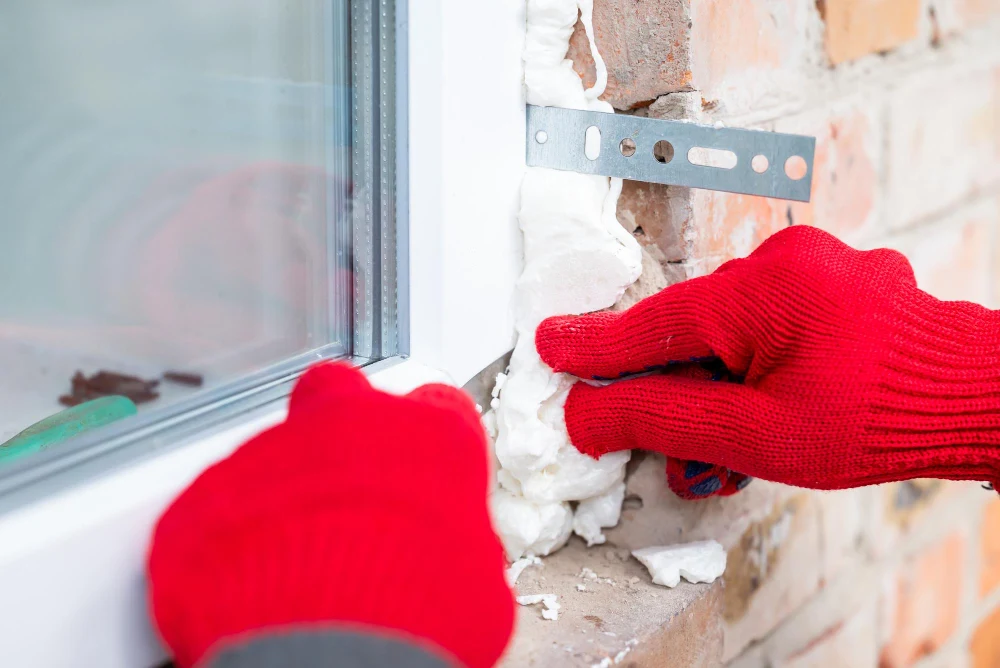
Common Problems with External Wall Insulation in Birmingham
External wall insulation is designed to improve your home’s energy efficiency and weather protection, but problems such as cracks, damp and poor installation can reduce its long-term performance. Understanding the…
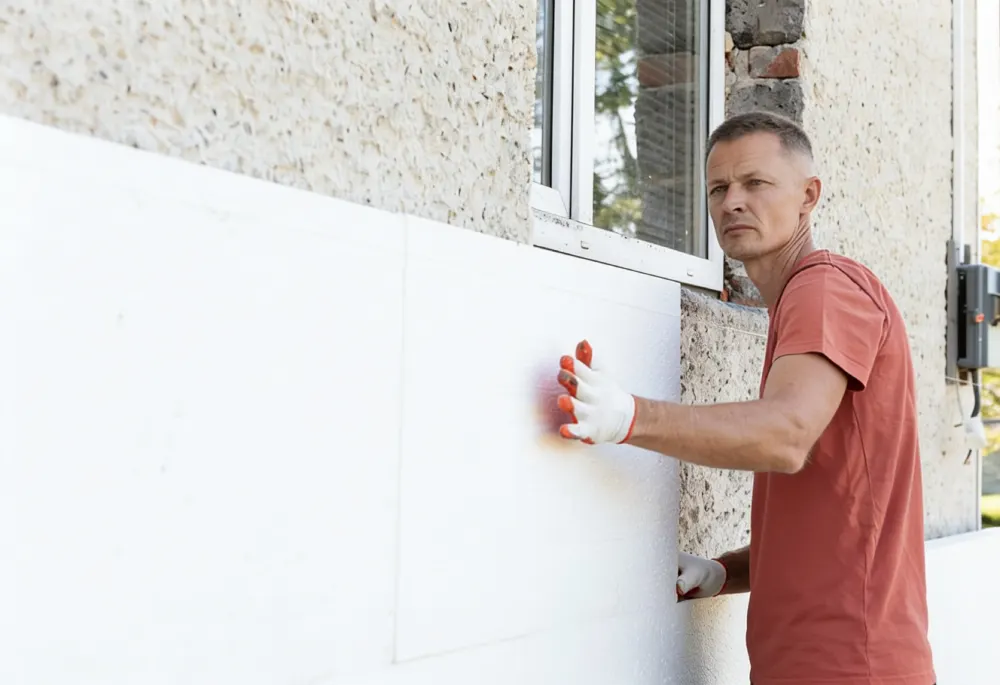
What to Expect from Professional External Wall Insulation Specialists
Choosing the right External Wall Insulation (EWI) system starts with understanding your property’s construction and condition. An experienced installer will assess factors such as wall type, age and existing finishes…
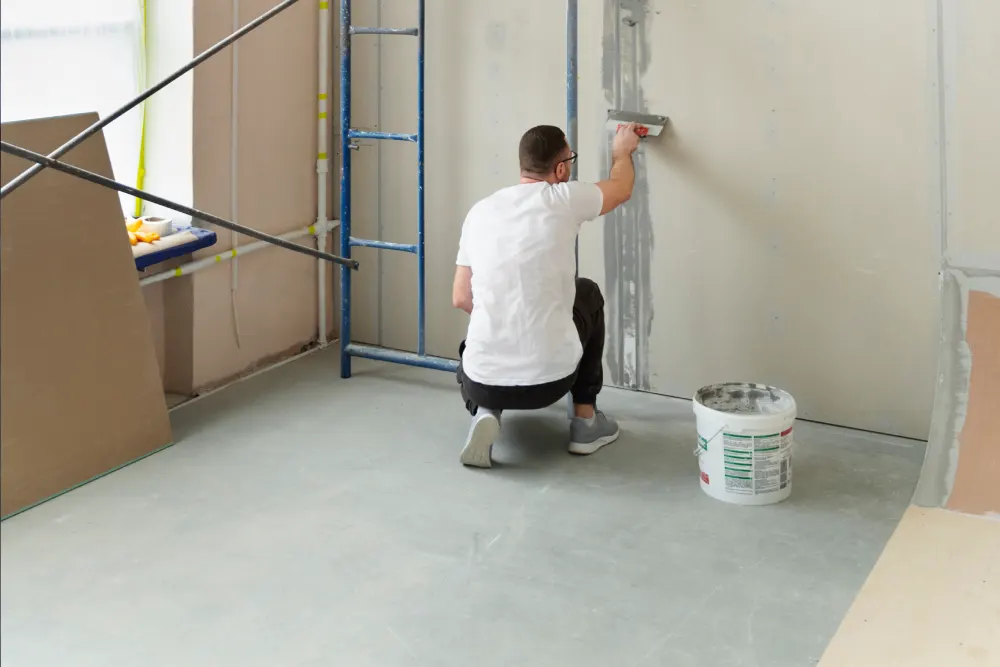
Solid Wall Insulation Installers Near Me for Period Homes
Period homes with solid walls can lose a significant amount of heat, making professional insulation an effective way to improve comfort and energy efficiency. Choosing experienced solid wall insulation installers…

Best External Wall Installer in Birmingham for Heritage Homes
Choosing the right External Wall Insulation (EWI) installer is vital for Birmingham’s heritage homes. A specialist with experience in older properties can recommend suitable insulation systems, protect original architectural features…

Choosing the Right EWI Installer in Birmingham for Listed Properties
Choosing the right External Wall Insulation (EWI) installer is essential for listed and heritage properties in Birmingham. An experienced specialist can provide solutions that improve energy efficiency while respecting planning…

EWI Birmingham Cost per m² for Complex Properties
The cost of External Wall Insulation (EWI) per square metre can provide a useful starting point, but complex properties in Birmingham often require a more detailed assessment. Factors such as…


