Comprehensive Guide to External Wall Insulation in Birmingham
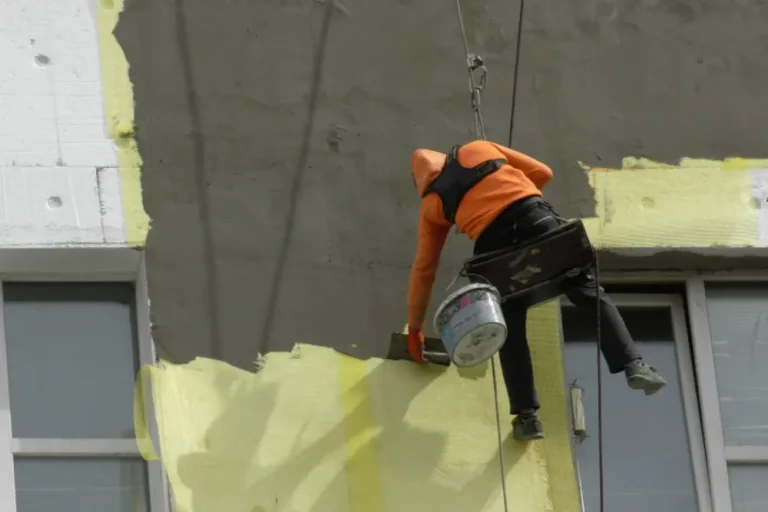
This guide provides an overview of external wall insulation (EWI) services available in Birmingham, detailing the advantages and considerations for homeowners. Understanding the full scope of EWI can help you make an informed decision about upgrading your property’s energy efficiency.
With rising energy costs and the need for sustainable living, external wall insulation stands out as a crucial investment for homeowners. This comprehensive guide will walk you through the benefits, costs, and installation processes associated with EWI, ensuring you have all the information needed to enhance your home’s comfort and efficiency.
Understanding the Different Types of External Wall Insulation Systems
There are various types of external wall insulation systems available, each with unique properties and benefits. Familiarising yourself with these options will help you choose the right solution for your home’s specific needs.
Common types of EWI systems include solid wall insulation, insulated render, and cladding systems. Each type offers different insulation values, aesthetics, and installation methods, allowing homeowners to select a system that aligns with their budget and design preferences.
Maintenance Tips for External Wall Insulation
Maintaining your external wall insulation is essential for ensuring its longevity and effectiveness. Regular checks and minor repairs can prevent larger issues and maintain your home’s energy efficiency.
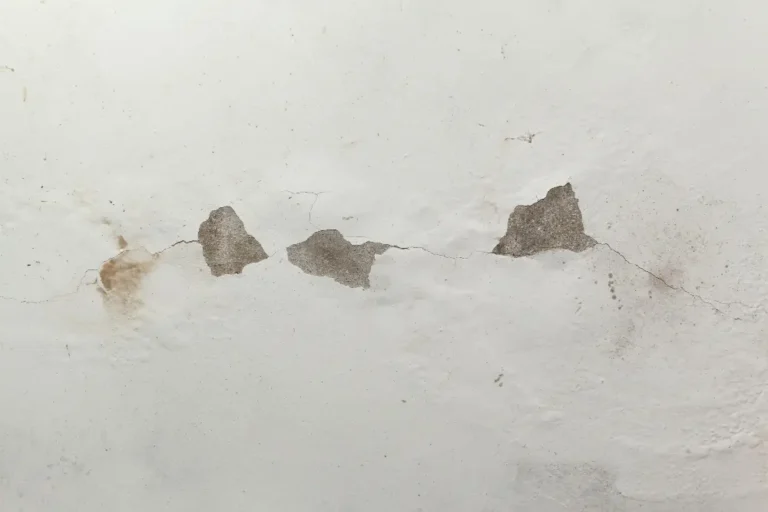
It is recommended to inspect the insulation for cracks, dampness, or any signs of wear at least once a year. Addressing these issues promptly and ensuring proper drainage around the insulation can significantly extend its lifespan and performance.
Frequently Asked Questions About EWI
Homeowners often have questions regarding external wall insulation, from installation processes to long-term benefits. This section aims to address common inquiries to help you navigate your EWI project with confidence.
Topics such as the average installation time, potential disruptions during the process, and the expected return on investment are frequently raised. By providing clear answers to these questions, you can better prepare for your EWI installation and understand its impact on your home.