
Insulation & Rendering News & Advice from VACA Services
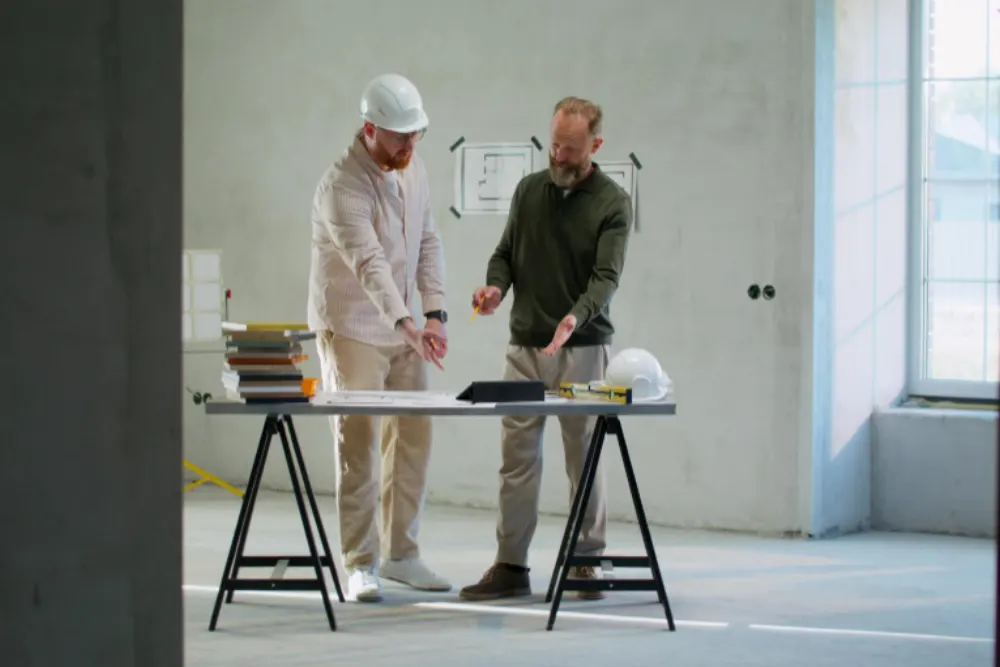
Cost to Install EWI in Birmingham on Older Solid-Wall Properties
Installing External Wall Insulation (EWI) on Birmingham’s older solid-wall properties can significantly improve energy efficiency and indoor comfort, but costs vary depending on the property’s condition, size and installation requirements…
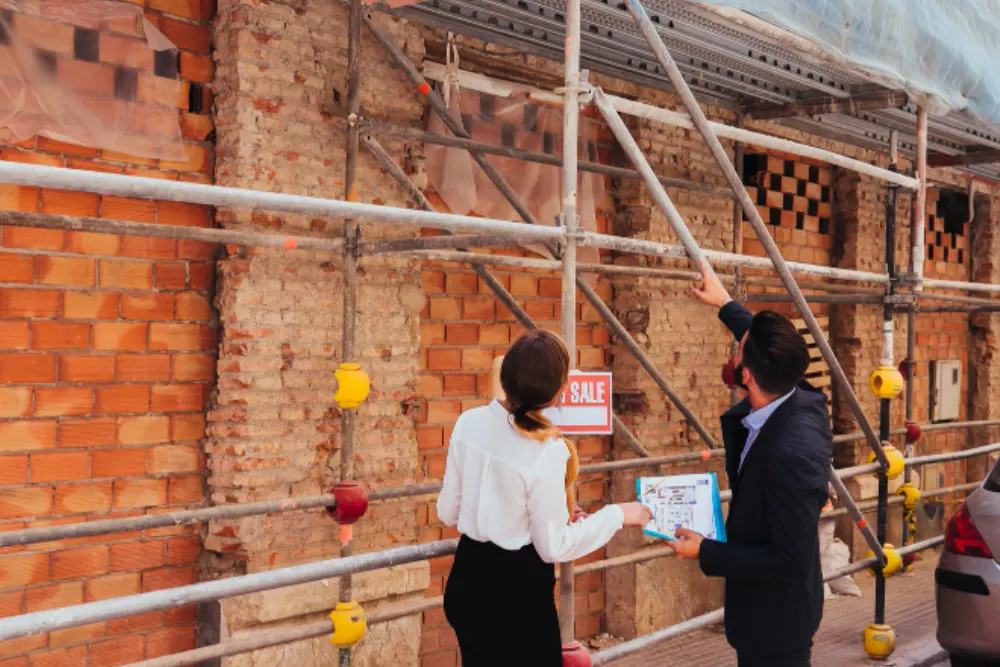
Local External Wall Insulation Companies for Renovation Projects
Choosing a trusted local External Wall Insulation (EWI) company is essential for a successful renovation project. An experienced installer will carry out a detailed survey, recommend the most suitable insulation…
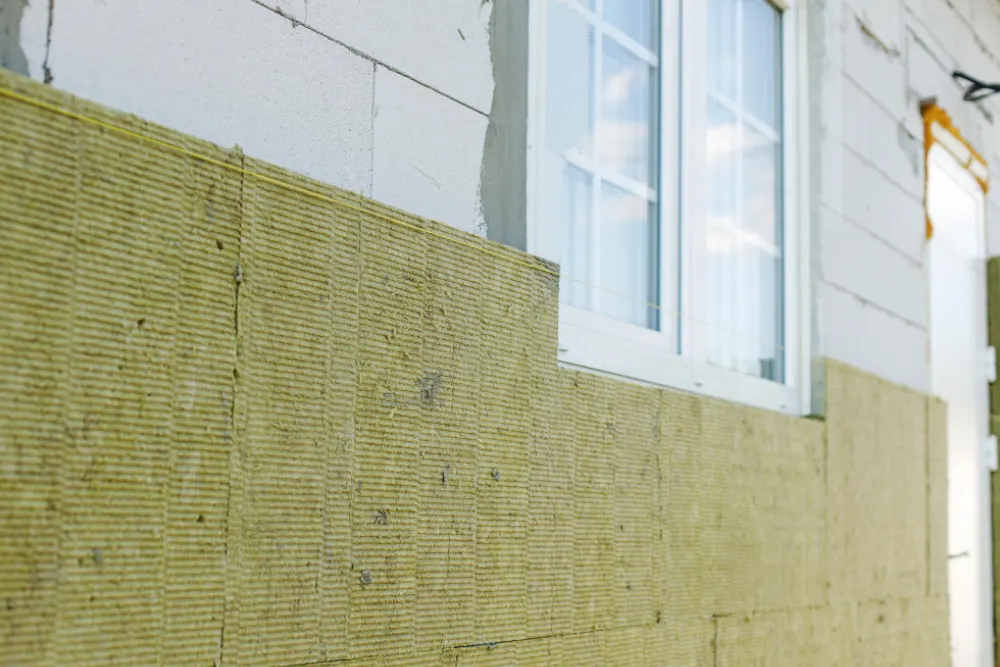
EWI Installation Quotes for Flats & Multi-Occupancy Buildings
External Wall Insulation (EWI) for flats and multi-occupancy buildings requires careful planning due to shared walls, access requirements and building complexity. A professional survey ensures an accurate quotation based on…
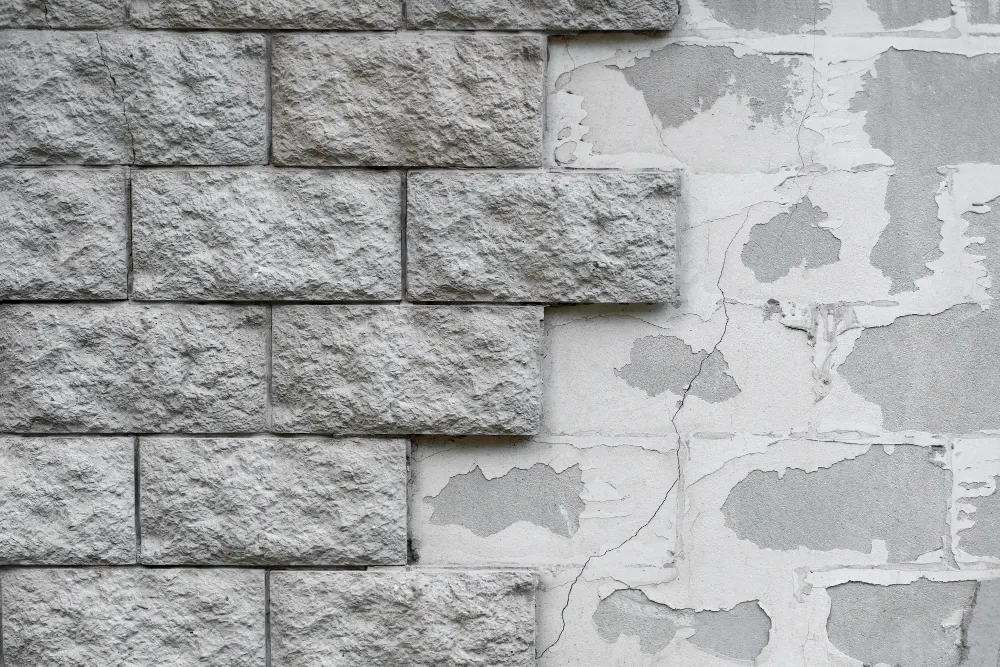
How Much Does EWI Cost for Larger Detached Homes?
The cost of External Wall Insulation (EWI) for larger detached homes in Birmingham depends on factors such as property size, design, wall condition and access requirements. A professional survey provides…
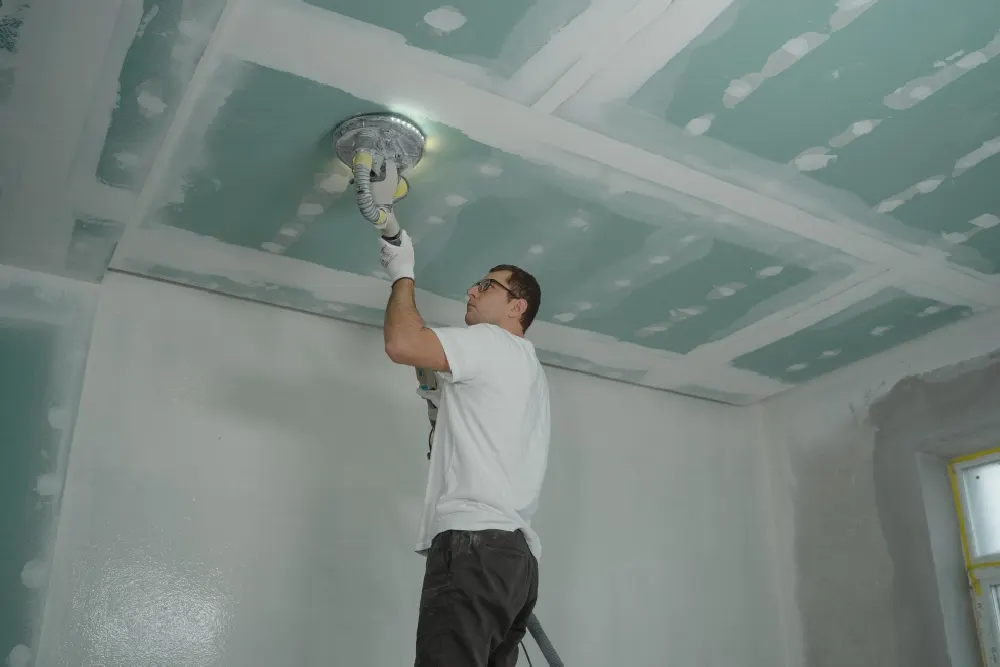
Insulated Render Installation for Commercial Buildings in Birmingham
Insulated render systems help commercial buildings in Birmingham improve energy efficiency, maintain consistent indoor temperatures and enhance weather protection. Installed externally with minimal disruption, they also provide a modern, professional…
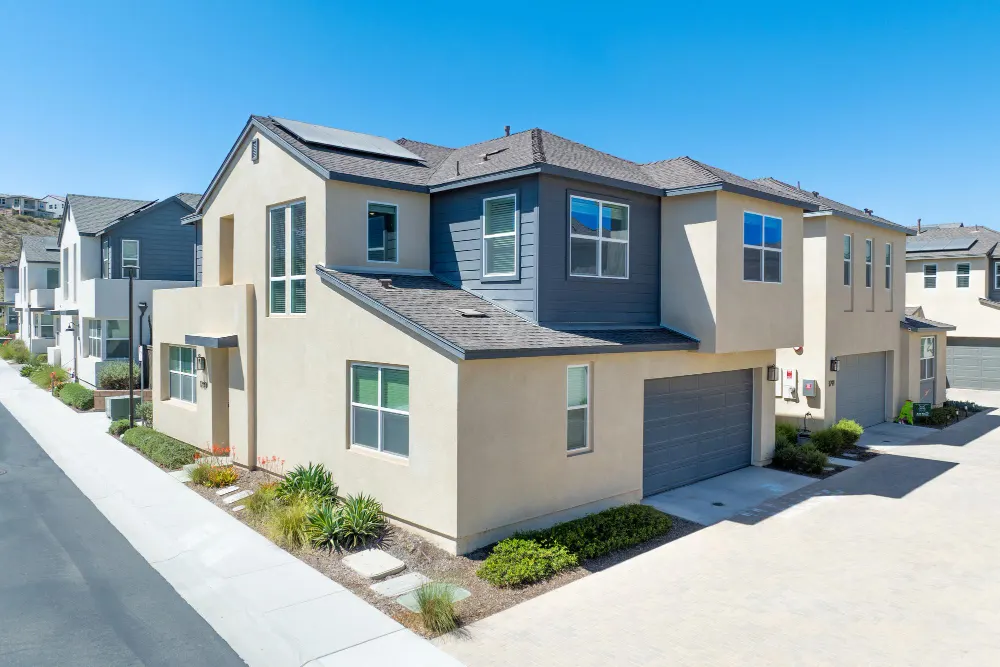
EWI in Birmingham for 1930s Semi-Detached Homes
Many 1930s semi-detached homes in Birmingham have limited insulation, making them prone to heat loss and higher energy bills. External Wall Insulation (EWI) helps improve energy efficiency, enhances year-round comfort…


