Building Regulations for External Wall Insulation in Birmingham Explained
External wall insulation is one of the most effective ways to improve energy efficiency in older properties, particularly those with…

Why you can trust our content
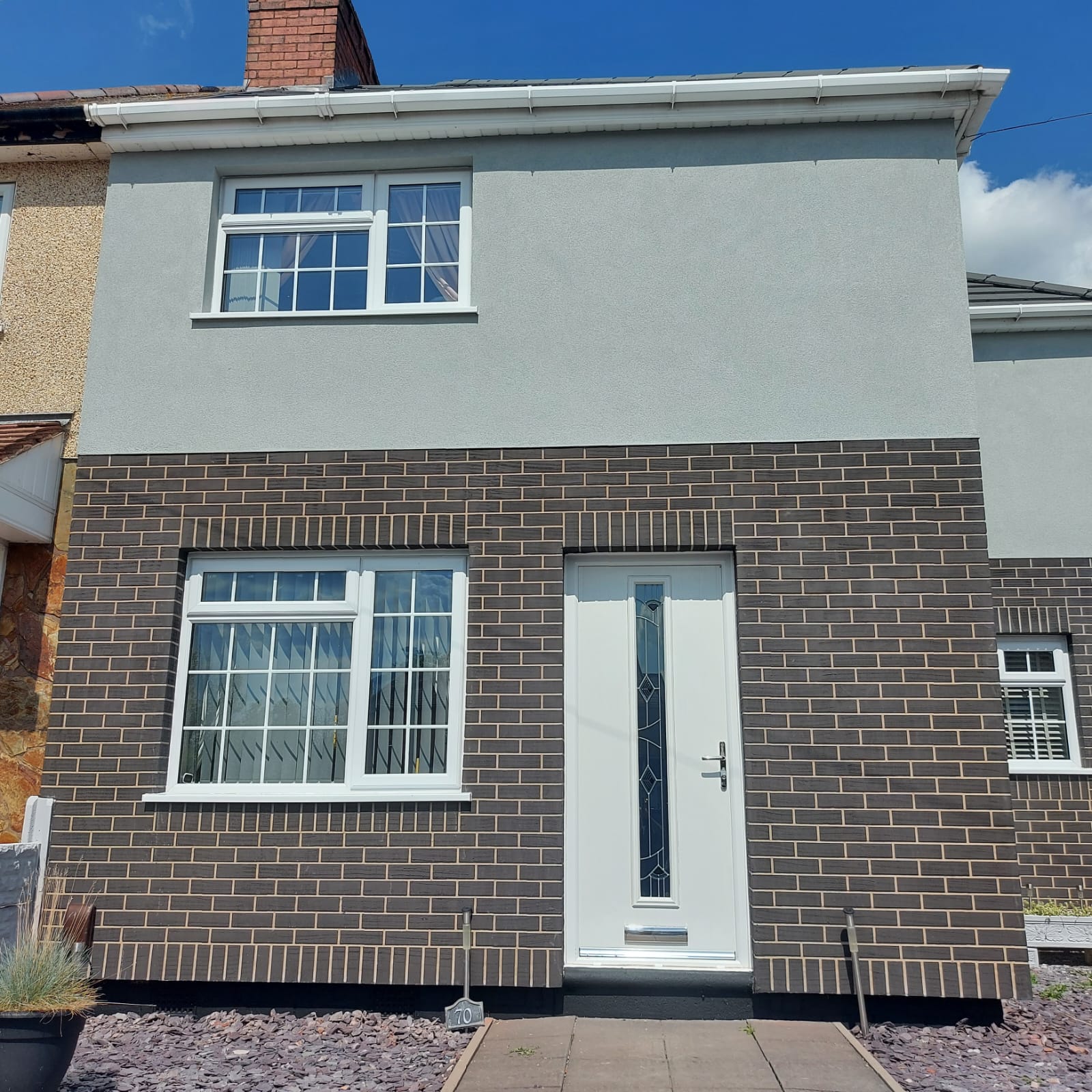
At a glance
External wall insulation is one of the most effective ways to improve energy efficiency in older properties, particularly those with solid walls. However, before any installation begins, it’s important to understand the building regulations that apply.
If you’re considering external wall insulation, Birmingham homeowners often ask what permissions are needed and how compliance affects the project. This guide breaks everything down into simple, practical advice so you can move forward with confidence.
What Are Building Regulations for External Wall Insulation?
Building regulations are legal standards set by the UK government to ensure that construction work is safe, energy-efficient, and structurally sound.
When it comes to insulation external wall systems, regulations focus on:
Unlike planning permission, building regulations apply to nearly all insulation projects, regardless of property type.
Do You Need Approval for External Wall Insulation in Birmingham?
In most cases, yes – building regulations approval is required.
For external wall insulation in Birmingham properties, compliance is typically handled in one of two ways:
Installers who are part of a competent person scheme can often self-certify their work, which simplifies the process for homeowners.
When might additional approval be needed?
You may also need planning permission if:
It’s always worth confirming this early to avoid delays.
How Do Thermal Performance Requirements Work?
Thermal performance is one of the key areas covered by building regulations.
The goal is to improve the wall’s U-value, which measures how much heat escapes through a surface. The lower the U-value, the better the insulation.
𝑈=1𝑅U=R1
For most retrofit projects, regulations require walls to achieve a U-value of around 0.30 W/m²K or better, depending on the property.
What affects thermal performance?
A professional survey will assess these factors and recommend the right system.
What type of service do you need?

External Wall Insulation System
(Includes Silicone Render)

Silicone Render Only
It just takes 60 Second
And then you can book a free consultation
What Fire Safety Standards Must Be Met?
Fire safety is a critical part of any insulation installation, particularly for multi-storey or attached properties.
Key considerations include:
For higher buildings, stricter requirements apply, and material choice becomes even more important.
Does External Wall Insulation Affect Ventilation?
Yes, and this is often overlooked.
By sealing the exterior of a property, insulated external wall systems can reduce natural airflow. Without proper ventilation, this may lead to condensation or damp issues.
To remain compliant, installers must:
A properly designed system will balance insulation with healthy ventilation.
What Should Be Included in a Compliant Installation?
A compliant installation goes beyond simply fixing insulation boards to a wall. It involves a complete system designed to meet regulatory standards.
Key components include:
Typical Compliance Checklist
| Element | Requirement | Why It Matters |
| Insulation thickness | Meets U-value targets | Reduces heat loss |
| Fire safety measures | Fire-rated materials and barriers | Protects occupants |
| Fixings and adhesion | Installed according to the manufacturer’s specification | Ensures durability |
| Weatherproof render | Crack-resistant and breathable | Prevents water ingress |
| Ventilation adjustments | Adequate airflow maintained | Avoids damp and condensation |
Can Installers Handle Compliance on Your Behalf?
Yes, and in many cases, they should.
Experienced installers will:
Choosing a qualified installer reduces the risk of non-compliance and ensures the work meets all necessary standards.
What Happens If Regulations Are Not Followed?
Failing to meet building regulations can lead to several issues:
In some cases, local authorities may take enforcement action, particularly if the work poses a safety concern.
A Typical Scenario: Birmingham Solid Wall Property
Many properties across Birmingham and the wider West Midlands are older homes with solid brick walls.
In a typical case:
A homeowner wants to improve energy efficiency and reduce heating costs. After a survey, the installer recommends an external system using mineral wool to meet fire safety requirements. The design ensures the correct U-value is achieved, while ventilation is improved through upgraded air bricks.
The installer completes the work under a certification scheme, providing documentation that confirms compliance with building regulations.
This approach not only improves comfort but also ensures the property remains fully compliant.
How Can You Check If Your Installation Meets Standards?
If work has already been completed, you can verify compliance by checking:
If you’re unsure, a professional inspection can assess whether the installation meets current standards.
Understanding building regulations is a crucial step when planning any insulation project. From thermal performance to fire safety and ventilation, every aspect must be carefully considered to ensure a safe and effective result.
For homeowners exploring external wall insulation Birmingham projects, working with experienced professionals makes the process far smoother and more reliable.
Related articles

What type of service do you need?
External Wall Insulation System
(Includes Silicone Render)
Silicone Render Only
At a glance
External wall insulation is one of the most effective ways to improve energy efficiency in older properties, particularly those with solid walls. However, before any installation begins, it’s important to understand the building regulations that apply.
If you’re considering external wall insulation, Birmingham homeowners often ask what permissions are needed and how compliance affects the project. This guide breaks everything down into simple, practical advice so you can move forward with confidence.
What Are Building Regulations for External Wall Insulation?
Building regulations are legal standards set by the UK government to ensure that construction work is safe, energy-efficient, and structurally sound.
When it comes to insulation external wall systems, regulations focus on:
Unlike planning permission, building regulations apply to nearly all insulation projects, regardless of property type.
Do You Need Approval for External Wall Insulation in Birmingham?
In most cases, yes – building regulations approval is required.
For external wall insulation in Birmingham properties, compliance is typically handled in one of two ways:
Installers who are part of a competent person scheme can often self-certify their work, which simplifies the process for homeowners.
When might additional approval be needed?
You may also need planning permission if:
It’s always worth confirming this early to avoid delays.
How Do Thermal Performance Requirements Work?
Thermal performance is one of the key areas covered by building regulations.
The goal is to improve the wall’s U-value, which measures how much heat escapes through a surface. The lower the U-value, the better the insulation.
𝑈=1𝑅U=R1
For most retrofit projects, regulations require walls to achieve a U-value of around 0.30 W/m²K or better, depending on the property.
What affects thermal performance?
A professional survey will assess these factors and recommend the right system.
What type of service do you need?
External Wall Insulation System
(Includes Silicone Render)
Silicone Render Only
It just takes 60 Second
And then you can book a free consultation
What Fire Safety Standards Must Be Met?
Fire safety is a critical part of any insulation installation, particularly for multi-storey or attached properties.
Key considerations include:
For higher buildings, stricter requirements apply, and material choice becomes even more important.
Does External Wall Insulation Affect Ventilation?
Yes, and this is often overlooked.
By sealing the exterior of a property, insulated external wall systems can reduce natural airflow. Without proper ventilation, this may lead to condensation or damp issues.
To remain compliant, installers must:
A properly designed system will balance insulation with healthy ventilation.
What Should Be Included in a Compliant Installation?
A compliant installation goes beyond simply fixing insulation boards to a wall. It involves a complete system designed to meet regulatory standards.
Key components include:
Typical Compliance Checklist
| Element | Requirement | Why It Matters |
| Insulation thickness | Meets U-value targets | Reduces heat loss |
| Fire safety measures | Fire-rated materials and barriers | Protects occupants |
| Fixings and adhesion | Installed according to the manufacturer’s specification | Ensures durability |
| Weatherproof render | Crack-resistant and breathable | Prevents water ingress |
| Ventilation adjustments | Adequate airflow maintained | Avoids damp and condensation |
Can Installers Handle Compliance on Your Behalf?
Yes, and in many cases, they should.
Experienced installers will:
Choosing a qualified installer reduces the risk of non-compliance and ensures the work meets all necessary standards.
What Happens If Regulations Are Not Followed?
Failing to meet building regulations can lead to several issues:
In some cases, local authorities may take enforcement action, particularly if the work poses a safety concern.
A Typical Scenario: Birmingham Solid Wall Property
Many properties across Birmingham and the wider West Midlands are older homes with solid brick walls.
In a typical case:
A homeowner wants to improve energy efficiency and reduce heating costs. After a survey, the installer recommends an external system using mineral wool to meet fire safety requirements. The design ensures the correct U-value is achieved, while ventilation is improved through upgraded air bricks.
The installer completes the work under a certification scheme, providing documentation that confirms compliance with building regulations.
This approach not only improves comfort but also ensures the property remains fully compliant.
How Can You Check If Your Installation Meets Standards?
If work has already been completed, you can verify compliance by checking:
If you’re unsure, a professional inspection can assess whether the installation meets current standards.
Understanding building regulations is a crucial step when planning any insulation project. From thermal performance to fire safety and ventilation, every aspect must be carefully considered to ensure a safe and effective result.
For homeowners exploring external wall insulation Birmingham projects, working with experienced professionals makes the process far smoother and more reliable.
Related articles
What type of service do you need?
External Wall Insulation System
(Includes Silicone Render)
Silicone Render Only


